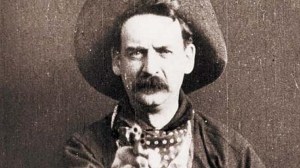
The Great Train Robbery is a 1903 American silent short Western film written, produced, and directed by Edwin S. Porter. At ten minutes long, it is considered a milestone in film making, expanding on Porter’s previous work Life of an American Fireman. The film used a number of innovative techniques including composite editing, camera movement and on location shooting. The film is one of the earliest to use the technique of cross cutting, in which two scenes appear to occur simultaneously but in different locations. Some prints were also hand colored in certain scenes. However, none of these techniques were original to The Great Train Robbery, and it is now considered that it was heavily influenced by Frank Mottershaw’s earlier British film A Daring Daylight Burglary.
Source: IMDB
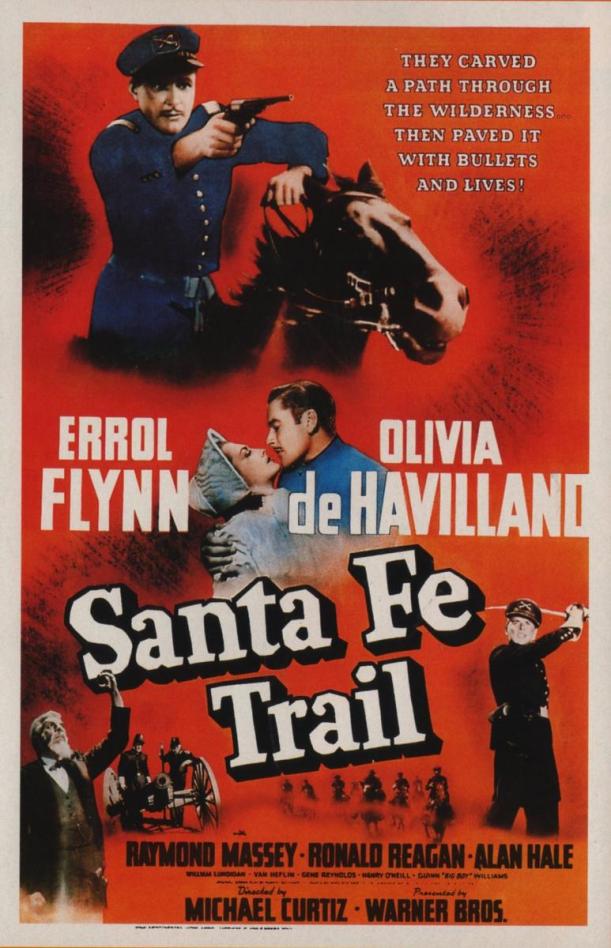
Santa Fe Trail is a 1940 American western film directed by Michael Curtiz and starring Errol Flynn, Olivia de Havilland, Raymond Massey and Ronald Reagan. Written by Robert Buckner, the film is about the abolitionist John Brown and his fanatical attacks on slavery as a prelude to the Civil War. Subthemes include J.E.B. Stuart and George Armstrong Custer as they duel for the hand of Kit Carson Holliday.
In 1642 in Leyden, Holland, Rembrandt van Rijn, a painter and miller’s son, experiences the death of his beloved wife Saskia and, during her funeral, finishes her portrait before her face fades for him forever. Later, while working on a painting commissioned by Captain Banning Cocq, Rembrandt depicts the sixteen gentlemen of the civic guard as disfigured. After humiliating them at a public unveiling of the painting, Rembrandt refuses to apologize and loses the portrait commissions that had assured his income. Still racked with grief about Saskia’s death, Rembrandt longs for another wife and marries the cold and shrewish Geertje Dirx. Ten years following Saskia’s death, Rembrandt has become bankrupt, and his house and its furnishing are sold at auction. He then paints a beggar and tells him the Biblical story of David and Saul. Geertje harangues Rembrandt about their poverty, and he learns that Govaert Flinck, an old student of his, is now making a handsome living painting aristocrats. Rembrandt, however, refuses to compromise his art for money. Because the king was once Rembrandt’s patron, Rembrandt finally agrees to see the prince, but goes instead to his father’s mill in Leyden and reads from the Bible at dinner. When he returns to Amsterdam, he meets his new housemaid, Hendrickje Stoffels, and paints her portrait. Jealous of Rembrandt’s attentions toward the kind and beautiful maid, Geertje threatens her. Rembrandt is intent on marrying her, but knows that half of Geertje’s money will go to Rembrandt’s son Titus if he remarries. When Hendrickje becomes pregnant, Geertje charges her with “unchastity, concubinage and immoral conduct.” Hendrickje is tried before a jury of Lutheran elders and is ex-communicated from the church. A forced sale of Rembrandt’s property drives him and Hendrickje into the country. When he sells a painting of the Blessed Virgin to an art buyer for the cardinal in Paris, the court purloins his paintings for his creditors, claiming that he has no right to sell his own work. Hendrickje cunningly becomes Rembrandt’s art dealer and the official owner of his paintings and is able to sell them. Hendrickje then gets sick from nursing their baby and sends the child to her mother.
Rembrandt Wallpaper for iPhone 6 Plus
In light of Hendrickje’s failing health, Rembrandt decides to marry her and, as Titus arrives with his bride, Rembrandt sends for the baby and Hendrickje’s mother. He then paints Hendrickje’s portrait as he did when they met, and she falls dead while posing. Years later, in 1669, Rembrandt has become a beggar and recites profound words to a group of young painters, who finally recognize him. He then begins a self-portrait, muttering the Biblical words of King Solomon, “vanity of vanities, all is vanity.”
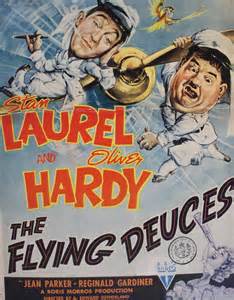
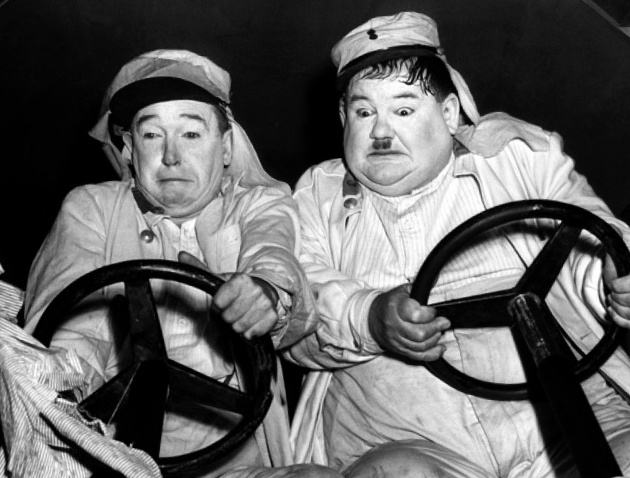
The Flying Deuces, also known as Flying Aces, is a 1939 comedy film starring Laurel and Hardy, in which the duo join the French Foreign Legion. It is a partial remake of their 1931 short film Beau Hunks.
In the early days of World War II, a German U-boat is sunk in Canada’s Hudson Bay. Hoping to evade capture, a small band of German soldiers led by commanding officer Lieutenant Hirth (Eric Portman) attempts to cross the border into the United States, which has not yet entered the war and is officially neutral. Along the way, the German soldiers encounter brave men such as French-Canadian fur trapper Johnnie (Laurence Olivier) and soldier Andy Brock (Raymond Massey).





 WeaveStream